kood/Nairobi 2026: from applications to Batch 1
Selection Sprint & launch · Kenyatta University · Nairobi
By the //kood team · October 2026
In 2025, together with GreatWell Training College and with support from ESTDEV, we ran our first Selection Sprint in Nairobi as part of the kood/Nairobi pilot project. 131 people applied, 55 were invited, 33 finished, and 13 went on to the full programme, studying online with their Estonian peers. 10 of them are still with us today and will graduate in December 2026.
This year we wanted to go further. With ESTDEV’s support once again and a new home at Kenyatta University’s School of Education and Lifelong Learning, we opened a much bigger Sprint. Here is how the journey went, from applications to the start of Batch 1.
Applications
Kenyatta University and our partners helped us spread the word, both online and on campus. By the time applications closed on 13 July, 824 people had registered.
The applicants were young, with an average age of 23. Half of them were students and a quarter were unemployed. About 35% were women, which is a good start, though we want to see that number grow. Around 40% had never written a line of code, and that is exactly who this programme is for. When we asked why they applied, most said they had always wanted to work in tech.
Before the Sprint, applicants confirmed their email, filled in their details, played a logic game and joined an online check-in on 7 July. There they met the team and the tutors and learned how studying without teachers works. By the end, 151 people had a place in the Sprint.
The Selection Sprint
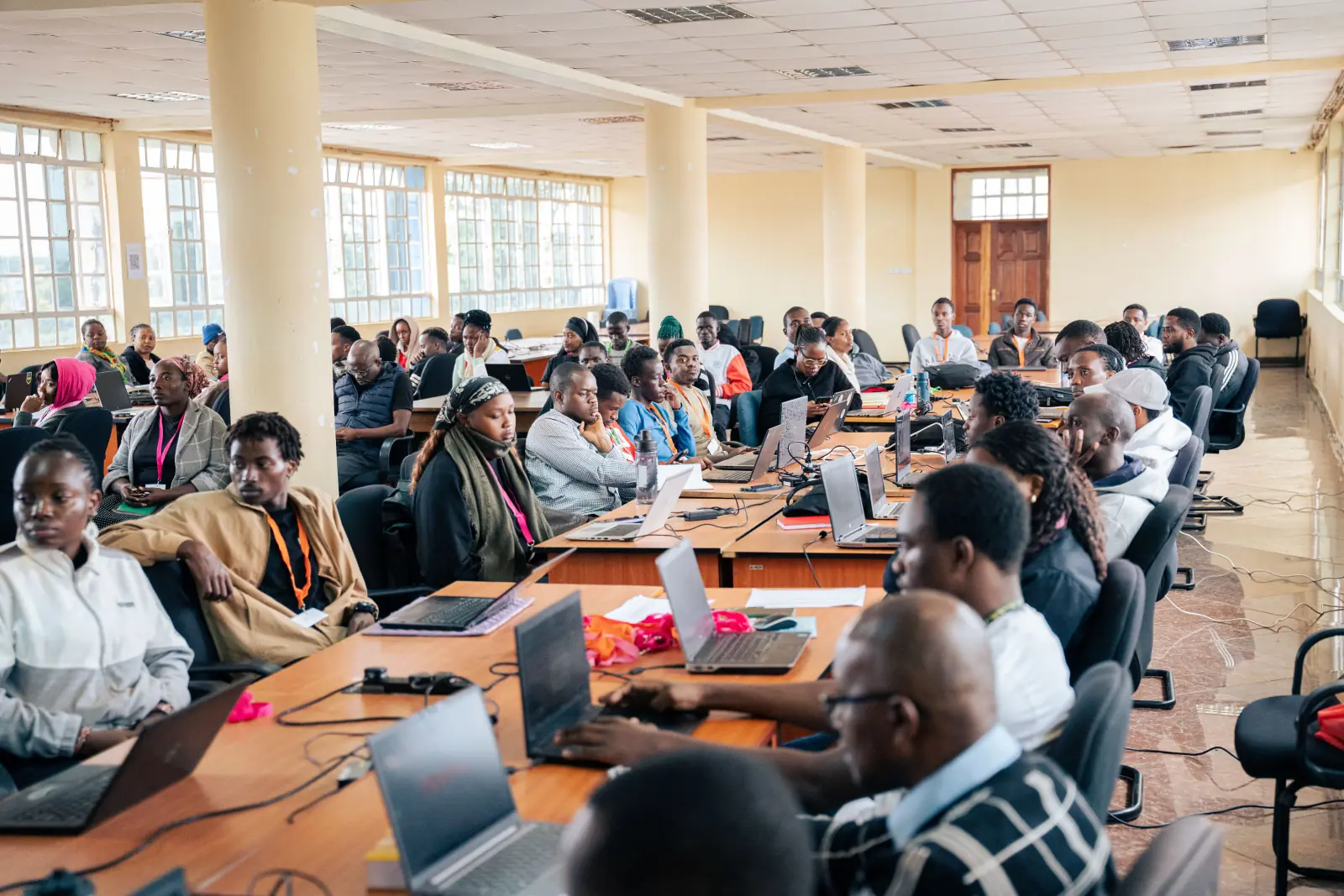
The Sprint started on 20 July at the School of Education and Lifelong Learning, and 82 sprinters showed up on the first day.
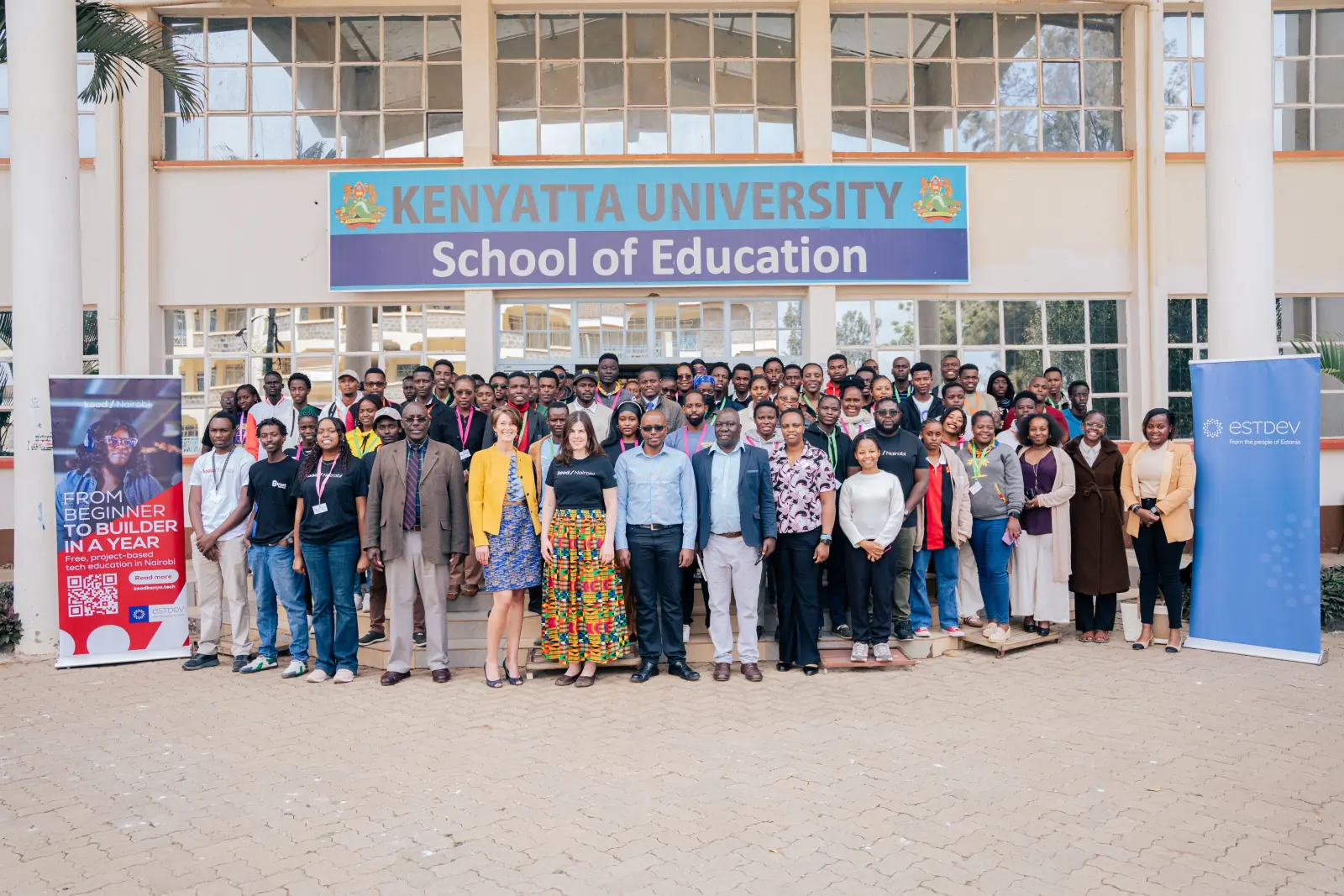
We opened with a launch event at the School. Prof. Samson R. Ondigi, the Dean, put it well:
“Hosting kood/Nairobi at the School of Education and Lifelong Learning means a nurse, a teacher or a shopkeeper can walk in with curiosity and walk out as an engineer.”
Olga Bogdanova from ESTDEV spoke about Estonia’s work in Africa. We were also joined by Annika Tamm from //kood, Alistair Amendi, our kood/Nairobi Project Manager, Susan Kimani from KU Student Affairs, Victoria Nkatha and Eunice Muihia from ESTDEV, and Dr. Francis Likoye and Ken Mwirigi from our team.
For three weeks, sprinters spent 8 to 10 hours a day on Java tasks, group projects and exams, with our tutors Ruth Nzuki and Imran Shiundu guiding them. Many of them were complete beginners, and they still made a strong start.
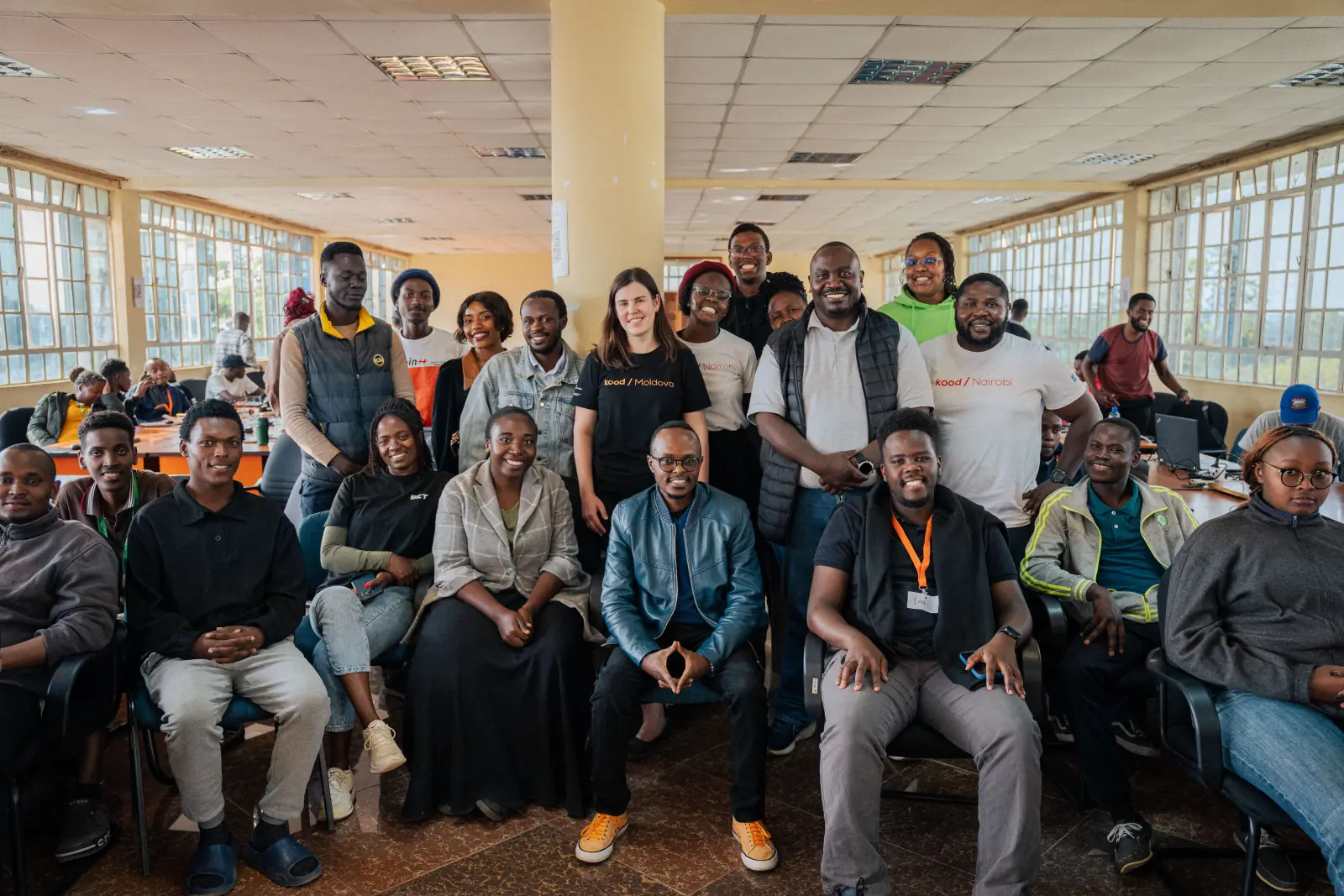
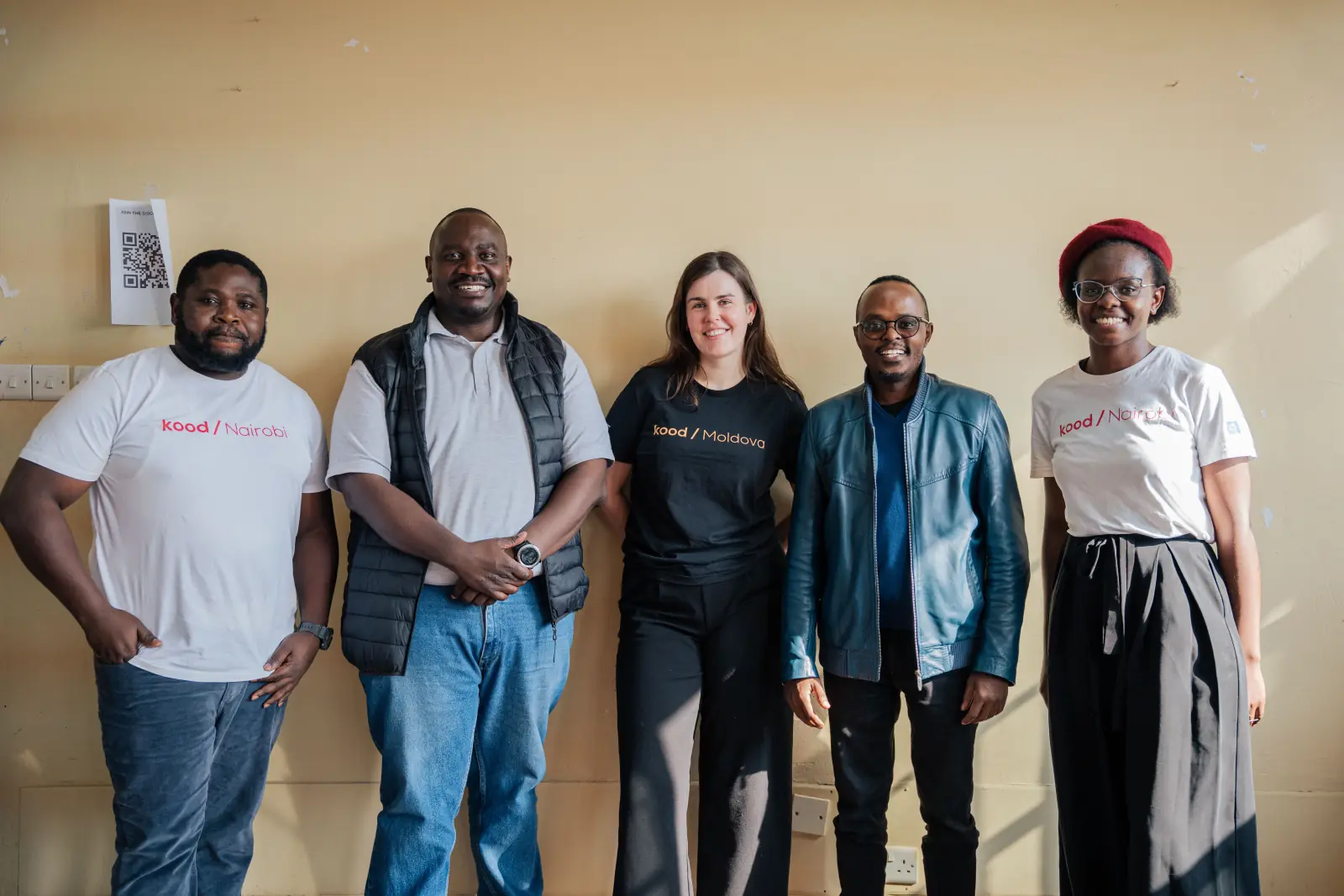
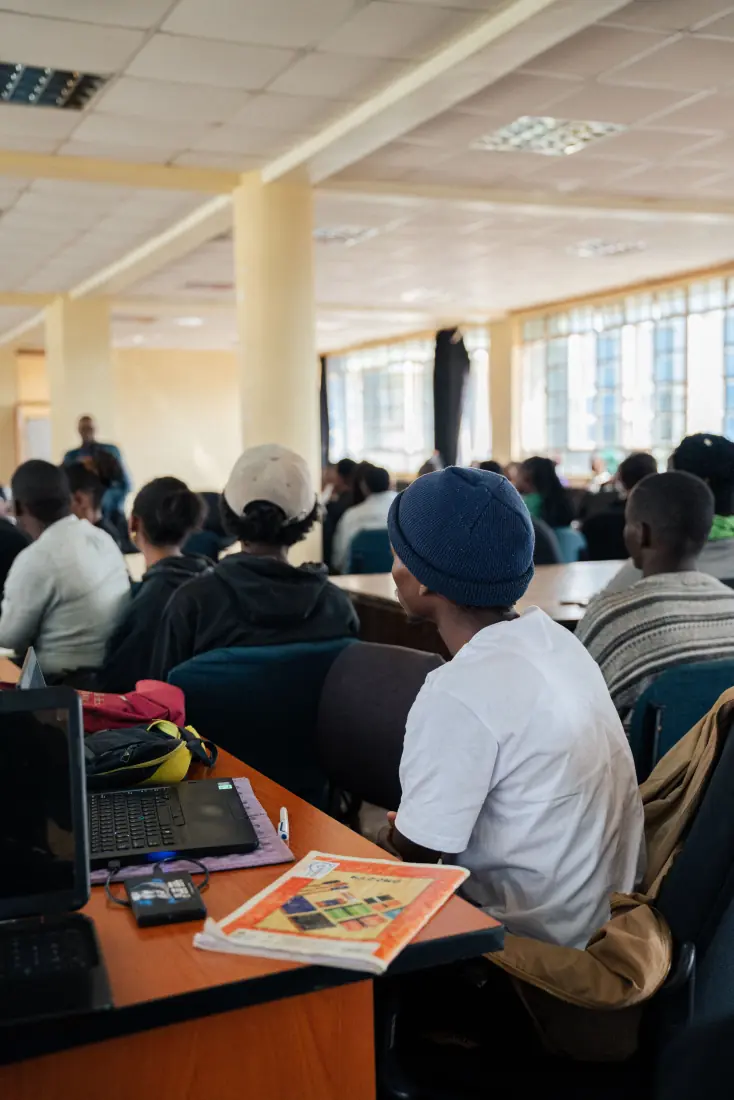

On 7 August, the final day, the teams presented their projects and some sprinters shared what the three weeks had meant to them. Ruth, Imran, Olga and Dr. Likoye gave closing remarks, and we ended the day with group photos.
72 sprinters completed the Sprint, and 54 of them earned a place in Batch 1.
Most of the drop happened before the Sprint began. Many people who signed up faced challenges that kept them from attending, and we want to make it easier for them next time.
What the sprinters said
The sprinters gave the Sprint an NPS of 72. Almost all of them talked about how much they learned from working with their peers, and one said they had finally learned how to read error messages.
“The experience is really good and the fact that I can collaborate with my peers is really awesome.”
They were also honest about what was hard. Beginners wanted more support, especially when moving from the online editor to setting up their own laptops. Week two felt too packed, and some found it hard to tell why a test had failed. We are taking all of this on board.
Launch day
On Wednesday, 9 September 2026, we officially welcomed Batch 1 at Kenyatta University. Our students and partners, from the university and beyond, came to celebrate with us.
Among our guests were H.E. Daniel Schaer, Estonia’s Ambassador to Kenya, and the ESTDEV team. The Vice-Chancellor of Kenyatta University was invited to officially open the programme, and Jason Masai gave the keynote.
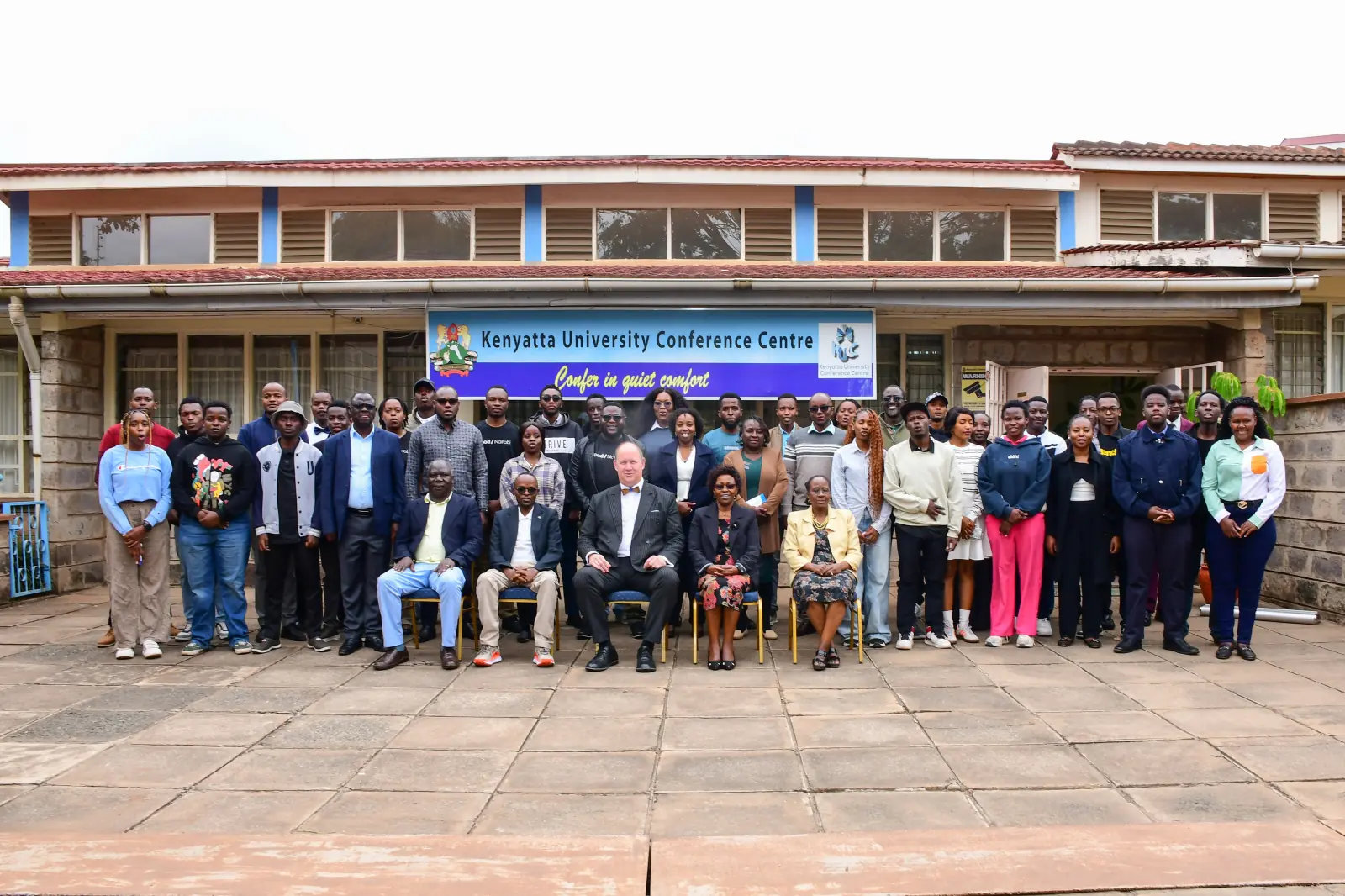
The Ambassador had this message for the students:
“By the end of these 12 months, you will have learned far more than coding. You will know how to solve problems and think differently. That is the real skill you take with you, and it is a skill that will open doors in the future.”
For ESTDEV, the launch shows how ideas developed in Estonia can create opportunities elsewhere, especially in Kenya, one of East Africa’s leading tech hubs, where the demand for skilled ICT professionals keeps growing.
Jason has mentored kood/Nairobi learners since meeting Annika Tamm in Tallinn. In his keynote, he encouraged the cohort to stay curious, keep building, and use AI without letting it do their thinking for them.
“Don’t just ask, ‘Where can I get a job?’ — ask, ‘What problem can I solve?’ Africa has no shortage of problems worth solving.”
He ended with a challenge to Batch 1: “You now have the privilege of setting the standard for everyone who comes after you.”
The year ahead
Over the next 13 months, Batch 1 will move from coding fundamentals and back-end development to building full-stack products, payment platforms and AI-powered apps. They graduate in October 2027. Until then, our focus is to keep them building, connect them with employers and support every learner to the finish line.
A big thank you to Kenyatta University and the School of Education and Lifelong Learning, ESTDEV, Kujia Kenya, Belva Digital, our tutors Ruth and Imran, and everyone who shared a post or told a friend. Thank you also to the 82 sprinters who showed up on 20 July and gave us three weeks of their time.
Congratulations, Batch 1. We are proud of you, and we can’t wait to see what you build.
Dates TBC · Kenyatta University